Actual Prep – Mythic Bastionland

Here’s a new project – I’m fascinated by prep, in all its forms – one-shot, long-form, session notes, handwritten scribbles. My own and others. A quick check online leads me to believe lots of you are, too. So, I’m going to showcase this on the blog. I can’t promise every session I’ll share my prep notes, but I’ll try and do it where I can – and I’ll offer a variable amount of commentary. These are also going to be 50% patreon exclusive – half of them will never be released to the public – so spread the word, and let me know if you’d like to share your own prep and talk to me about it.

While you’re reading this, I should tell you about my Patreon. Patrons get access to content 7 days before they hit this site, and the chance to request articles or content, for a very reasonable backer level of £2 per month. If you like what you read, want to support the blog, and have the funds for it, please consider supporting here. Telling people about the blog, and sharing links/retweeting is much appreciated also – thanks!

3 Players

3 Hours

Ran online with Zoom (A/V) a dice roller app (Roll Dice With Friends) and a shared map (on a Google Slide)

So, Mythic Bastionland. When we talked about running it on Unconventional GMs it soon became clear we’d need a practice run at it first. So, following the prep steps, I made the setting attached – 6×9 hexes, two myths, one of everything except dwellings. You’ll see the notes on the GM map – and an example of MB’s stylised dungeon design. The hex map was done with Hex Kit, which is well worth it, even if a little unintuitive to use. I’ve blogged before about Powerpoint Prep, and this really helped to keep my ideas tight and usable in the session.

Did it work? Yes, as a one-shot; but we’re glad we practiced. This ran to a 3 hour session with 3 players; for a 2 hour one with 2 players, I’m going to shift to a 6×6 grid, just one myth, and a tighter thematic link from the sites to the myth. We’ll sacrifice some of the open-endedness of the game for a more coherent session, but I’ve no shame in doing this. 

Pictured below are my prep notes – note that patrons get these as a .pdf, or can get in touch for the original google files to edit.

The Original Lonely Fun – How We Read TTRPGs

I’ve just finished reading Every Day I Read, a collection of essays by Korean author Hwang Bo-Reum where she breaks down the joy and approaches she has to reading fiction and non-fiction. Most of my reading tends to be TTRPG books, and it occurs to me that I think we have a really different approach to reading game texts than other non-fiction. 

While you’re reading this, I should tell you about my Patreon. Patrons get access to content 7 days before they hit this site, and the chance to request articles or content, for a very reasonable backer level of £2 per month. If you like what you read, want to support the blog, and have the funds for it, please consider supporting here. Telling people about the blog, and sharing links/retweeting is much appreciated also – thanks!

Continue reading →
Proper Espionage – Three Gaming Things from The Spy Who Came In From the Cold

I read this through a gaming link; Malcolm Craig, game designer and actual cold war expert, rates this as the best background to the Cold City RPG (or at least, he did when we interviewed him for the Smart Party). So, months later, I’ve finally read it – and it’s a cracking read, a classic John le Carre that manages to convey very well the setting of shifting allegiances and bureaucratic machinations of a (fictionalised) 1970s operation.

Claire Bloom and Richard Burton in the film, which I haven’t seen but I bet isn’t as good as the book

While you’re reading this, I should tell you about my Patreon. Patrons get access to content 7 days before they hit this site, and the chance to request articles or content, for a very reasonable backer level of £2 per month. If you like what you read, want to support the blog, and have the funds for it, please consider supporting here. Telling people about the blog, and sharing links/retweeting is much appreciated also – thanks!

Continue reading →
Do I Actually Like the OSR?

Two things happened concurrently to me that have ended up being about the same thing, how I feel about OSR play:

I’m prepping Mythic Bastionland, to run for the first time (hopefully on channel) and it occurs to me that the game has rules for combat – and not much else. Outside of combat, there are lots of procedures – for the hexcrawl, for the omens, for task resolution – but even Saves aren’t really skill checks. It occurs to me that many of my favourite games have combat rules and very little else (Marvel Heroic, Feng Shui, 13th Age….) – and maybe Mythic Bastionland is like this.

I’m listening to Between Two Cairns and the hosts talk about how OSR play is an entirely different schema of play to D&D5e play, just like story-games are, and we should maybe be more up-front about it – as they analyse a blog post from Sam Sorensen about his Three-Question Taxonomy. It makes me think I might have run Mork Borg wrong, even though I (and my players) seemed to have a good time, and wonder if it matters. I’ve run Pirate Borg on YouTube with a player-authored montage in it – was that a mistake?

And thinking about  the two together, maybe I actually do like OSR play. I just haven’t realised it yet.

While you’re reading this, I should tell you about my Patreon. Patrons get access to content 7 days before they hit this site, and the chance to request articles or content, for a very reasonable backer level of £2 per month. If you like what you read, want to support the blog, and have the funds for it, please consider supporting here. Telling people about the blog, and sharing links/retweeting is much appreciated also – thanks!

Continue reading →
The Ultimate One-Shot Sci-Fi TTPRG? – Review: Stay Frosty (Remastered)

Stay Frosty is a sci-fi OSR-ish game of shooting aliens from Casey Garske. Originally self-published, it’s been remastered and published (through kickstarter) by Melsonian Arts Council. You can get it here from Drivethrurpg, and doubtless there are places to source print copies after the kickstarter. I backed it because I’d heard lots about it (mainly from Tom on the Fear of a Black Dragon podcast) and was intrigued. I’ve since run both scenarios in the book as one-shots; as with all my reviews, this is play-informed.

While you’re reading this, I should tell you about my Patreon. Patrons get access to content 7 days before they hit this site, the chance to request articles or content, and the chance to play in one-shot games, for a very reasonable backer level of £2 per month. If you like what you read, want to support the blog, and have the funds for it, please consider supporting here. Telling people about the blog, and sharing links/retweeting is much appreciated also – thanks!

Continue reading →

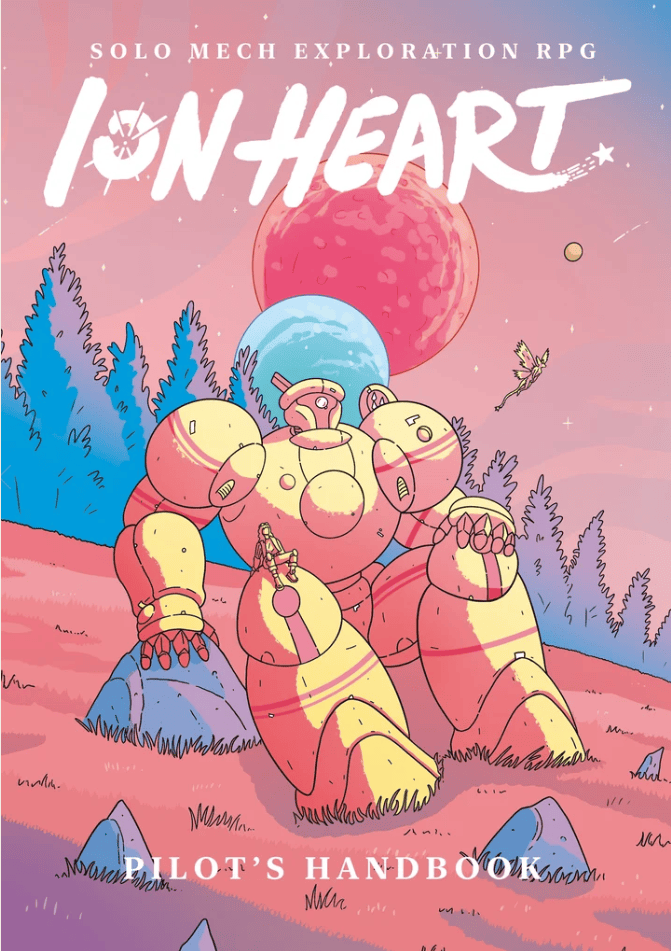
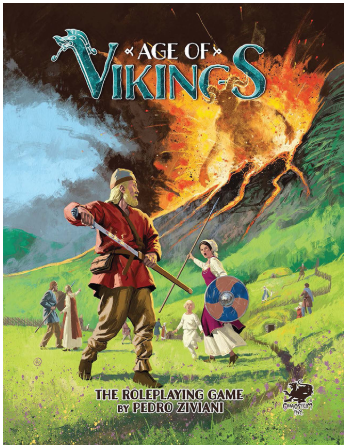
Play These Games! 5 TTRPGs You Haven’t Heard Of

As we creep towards the end of the year (Patreon supporters) or look bright-eyed at the possibilities of 2026 before us, I’ve been looking back at my “games played” spreadsheet. I could talk a lot about my most played games (The One Ring, then D&D), or some of the other TTRPG fun I’ve had, but everyone knows about lots of these games. 

There is, I can guarantee you, more going on in the hobby than you know about, so I thought I’d highlight five games I played for the first time in 2025 that you probably haven’t heard of, and deserve more attention. I’ve put these in chronological order of when I played them – these are all fantastic games.

While you’re reading this, I should tell you about my Patreon. Patrons get access to content 7 days before they hit this site, the chance to request articles or content, and the chance to play in one-shot games, for a very reasonable backer level of £2 per month. If you like what you read, want to support the blog, and have the funds for it, please consider supporting here. Telling people about the blog, and sharing links/retweeting is much appreciated also – thanks!

Continue reading →

A Castle, A Journal – Review: Colostle

Colostle is a solo TTRPG where you explore a vast castle, with oceans, lands, and cities within its walls. You draw cards each turn in two phases, Exploration and (optionally) Combat to see what your character encounters and resolve the challenges. You’ve got a quest you’re working towards which has inspired your journey, but you’ll also get distracted by the other inhabitants of the castle – both humans and Rooks, huge stone guardians you may need to fight.

I’ve started playing and reviewing solo games, with a particular eye to using them as sources of inspiration for group play; or at least to focus on the act of play itself. Patrons can also see my (rough and ready) play notes of the game. I played Colostle for a couple of hours, and took only brief notes as I played – but did a lot of thinking about it as I did.

While you’re reading this, I should tell you about my Patreon. Patrons get access to content 7 days before they hit this site, the chance to request articles or content, and the chance to play in one-shot games, for a very reasonable backer level of £2 per month. If you like what you read, want to support the blog, and have the funds for it, please consider supporting here. Telling people about the blog, and sharing links/retweeting is much appreciated also – thanks!

Continue reading →
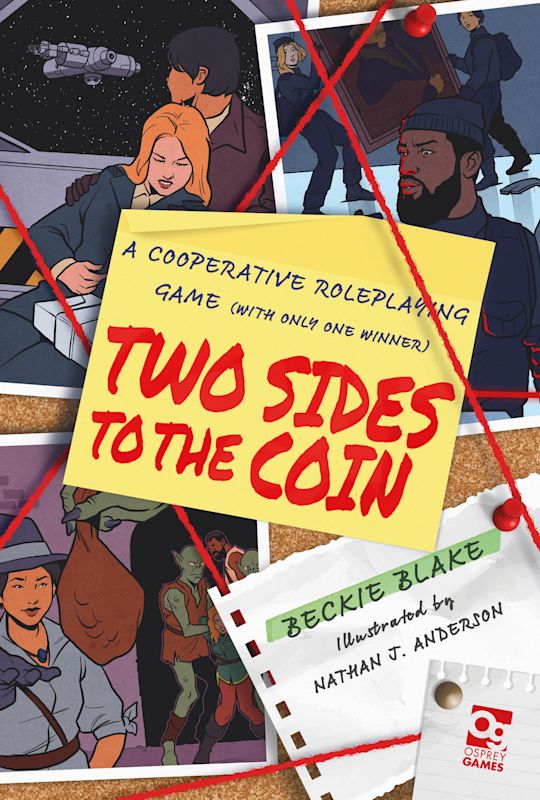
The Cult of the New – playing new games in 2025

As we creep towards the festive season and the end of the year, I’m looking over my 2025 gaming spreadsheet. It’s looking in fine fettle at the moment – with 96 sessions logged, I’m on track to meet my 100-session target for the year; which I’m pleased with, especially as I had most of January off. I’ve tracked my games since 2020, and it’s a great way to look at patterns of play – and also to remember the times at the table! So, as I fiddle with COUNTIFs and Filters, I’m digging into the stats a bit – including the 37 new games that I played or ran in 2025.

While you’re reading this, I should tell you about my Patreon. Patrons get access to content 7 days before they hit this site, the chance to request articles or content, and the chance to play in one-shot games, for a very reasonable backer level of £2 per month. If you like what you read, want to support the blog, and have the funds for it, please consider supporting here. Telling people about the blog, and sharing links/retweeting is much appreciated also – thanks!

Continue reading →

The Form Factor – alternatives to the 4 hour Session

Regular readers of this blog will know that one of the things I always say is that sessions, and campaigns, should be shorter. On bluesky a few weeks ago, I went further – somebody asked what the biggest issue stopping TTRPGs becoming more popular was (as you’d expect, many answers ironically identified D&D5e as the problem) – and I said the session paradigm. I think shorter one-shots would help – to be able to demo a game in an hour and a half, like a movie. Also, the endless epic campaign (that, realistically, never finishes). 

Campaigns should be 4-12 sessions – if you like it, take a rest and come back for another season – but that’s another blog post. Here’s some really good forms of play that you can actually do, and give slightly different gaming experiences. 

While you’re reading this, I should tell you about my Patreon. Patrons get access to content 7 days before they hit this site, the chance to request articles or content, and the chance to play in one-shot games, for a very reasonable backer level of £2 per month. If you like what you read, want to support the blog, and have the funds for it, please consider supporting here. Telling people about the blog, and sharing links/retweeting is much appreciated also – thanks!

Continue reading →

Become the Beast: Three Gaming Things from Grendel

Grendel is a 1971 novel by John Gardner, a retelling of the Beowulf myth from the point of view of the monster. It’s excellent, but if you’ve picked it up thinking “ooh, I like axes and fighting monsters, and it’s a fantasy masterwork – this’ll be a rip-roaring read!” you may be somewhat surprised, and possibly disappointed. It’s a bit literary, as Gardner uses the myth to explore existentialism; in his own words, “What happened in Grendel was that I got the idea of presenting the Beowulf monster as Jean-Paul Sartre, and everything that Grendel says Sartre in one mood or another has said.”

While you’re reading this, I should tell you about my Patreon. Patrons get access to content 7 days before they hit this site, the chance to request articles or content, and the chance to play in one-shot games, for a very reasonable backer level of £2 per month. If you like what you read, want to support the blog, and have the funds for it, please consider supporting here. Telling people about the blog, and sharing links/retweeting is much appreciated also – thanks!

Continue reading →